
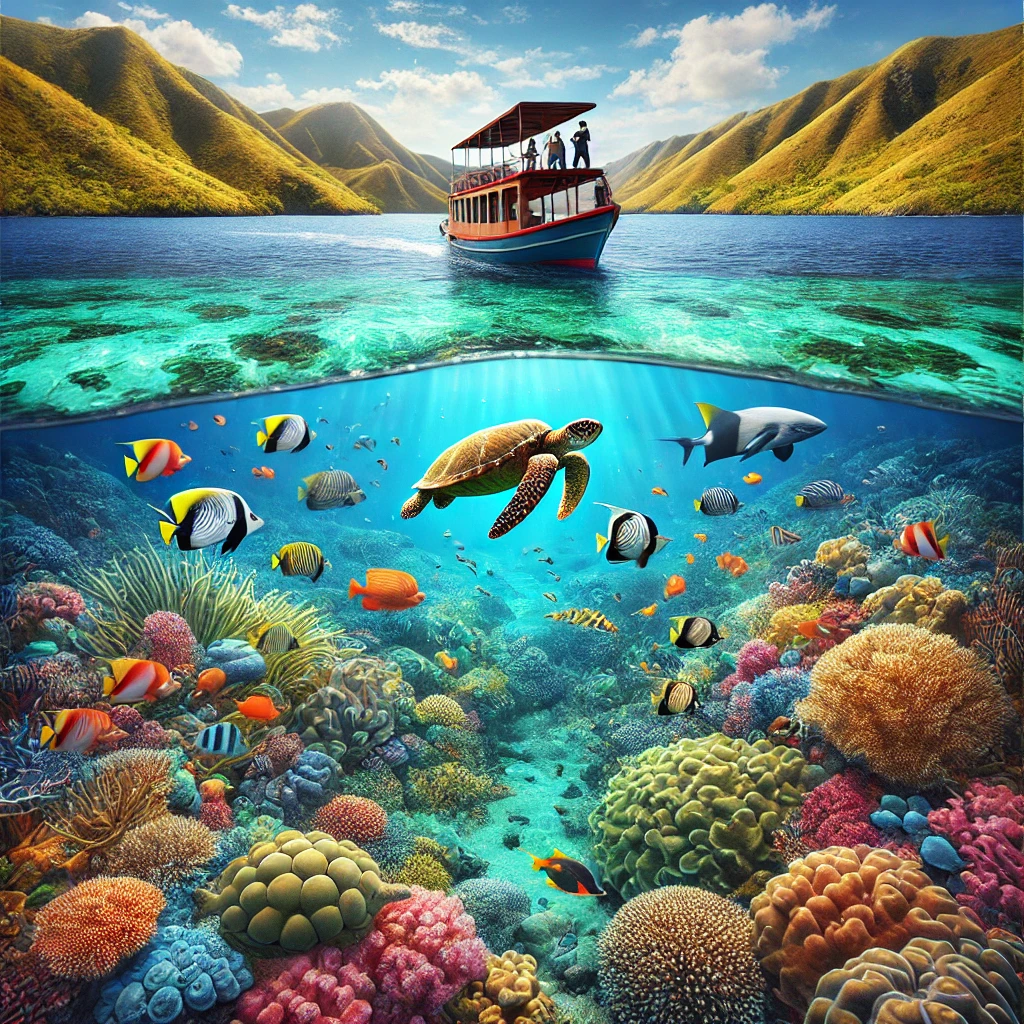
Indonesia’s Komodo National Park is well-known for its beautiful underwater life and one-of-a-kind scenery, making it a great place to visit for anyone looking for an unforgettable trip to Komodo. However, the park’s rich coral reefs and vibrant marine life face constant threats from overfishing, illegal fishing practices, and climate change. To combat these challenges, the Indonesian government has implemented a series of policies and regulations, establishing Marine Protected Areas (MPAs) to safeguard the delicate marine ecosystems that make the Komodo trip so enchanting.
The Importance of Marine Protected Areas in Komodo National Park
Komodo National Park, located within Indonesia’s Lesser Sunda Islands, has been designated a UNESCO World Heritage Site due to its unparalleled marine diversity. The area is home to over 1,000 species of fish, 260 species of coral, and the iconic Komodo dragons. The Indonesian government has established Marine Protected Areas (MPAs) that limit human activities in sensitive park regions to preserve this biodiversity. These MPAs serve as vital sanctuaries for marine life, allowing coral reefs to thrive and recover from damage while providing breeding grounds for fish species. These efforts are essential for maintaining the appeal of any Komodo Island tour.
Key Regulations: Fishing Restrictions and Sustainable Practices
One of the critical aspects of the Indonesian government’s conservation strategy is enforcing fishing restrictions within MPAs. Fishing is strictly regulated or prohibited in certain Komodo National Park zones. This measure aims to reduce overfishing, allowing fish populations to rebound and maintain a balanced marine ecosystem. Regulations also target destructive fishing methods, such as dynamite fishing and cyanide fishing, which can cause severe damage to coral reefs and the surrounding marine environment.
The government has also implemented sustainable fishing practices for areas outside the no-take zones, emphasizing responsible fishing techniques. These regulations include limits on fishing gear, restrictions on the size and type of fish that can be caught, and designated seasons to protect breeding cycles. The Indonesian government aims to preserve the marine life around Komodo Island to protect the environment and support local communities. This will improve the experience for people who visit the area.
Also read, Komodo Liveaboard: Concerns Arise Over Corporate Threats to Komodo Island Conservation Efforts.
Coral Reef Conservation Programs: Protecting the Underwater Beauty
The Indonesian government has initiated coral reef conservation programs to restore damaged reefs and promote sustainable tourism. These programs often involve coral transplantation, where healthy corals are cultivated and transplanted to damaged areas to regenerate the reef. Reef monitoring programs track coral ecosystem health and detect early signs of stress or bleaching.
These conservation programs play a crucial role in maintaining the allure of the Komodo trip for tourists interested in diving and snorkeling. Healthy coral reefs attract diverse marine life, providing visitors with an unforgettable underwater experience. The government invests in reef restoration and monitoring to preserve Komodo Island’s underwater beauty for future generations.
The Role of Local Communities: Guardians of Komodo’s Marine Life
Local communities are essential for conservation efforts in Indonesia. The government has partnered with stakeholders to enforce marine protected area (MPA) regulations. Community-based monitoring programs involve locals patrolling, reporting illegal activities, and educating tourists during their Komodo trips.
These initiatives encourage residents to take ownership and responsibility for preserving Komodo’s marine environment. The government involves the community in decision-making and provides economic incentives through sustainable tourism to align conservation goals. This includes ventures like a Komodo Liveaboard tour, which is eco-friendly and culturally enriching.
Impact on Diving and Snorkeling Tourism: A More Sustainable Komodo Trip
Implementing Marine Protected Areas and conservation programs has significantly impacted the diving and snorkeling tourism industry in Komodo National Park. While certain restrictions may limit access to specific dive sites. They help maintain the pristine condition of the coral reefs and marine life that attract tourists. As a result, diving and snorkeling experiences in Komodo have become more sustainable, with clear waters, vibrant reefs, and an abundance of fish drawing visitors from around the world.
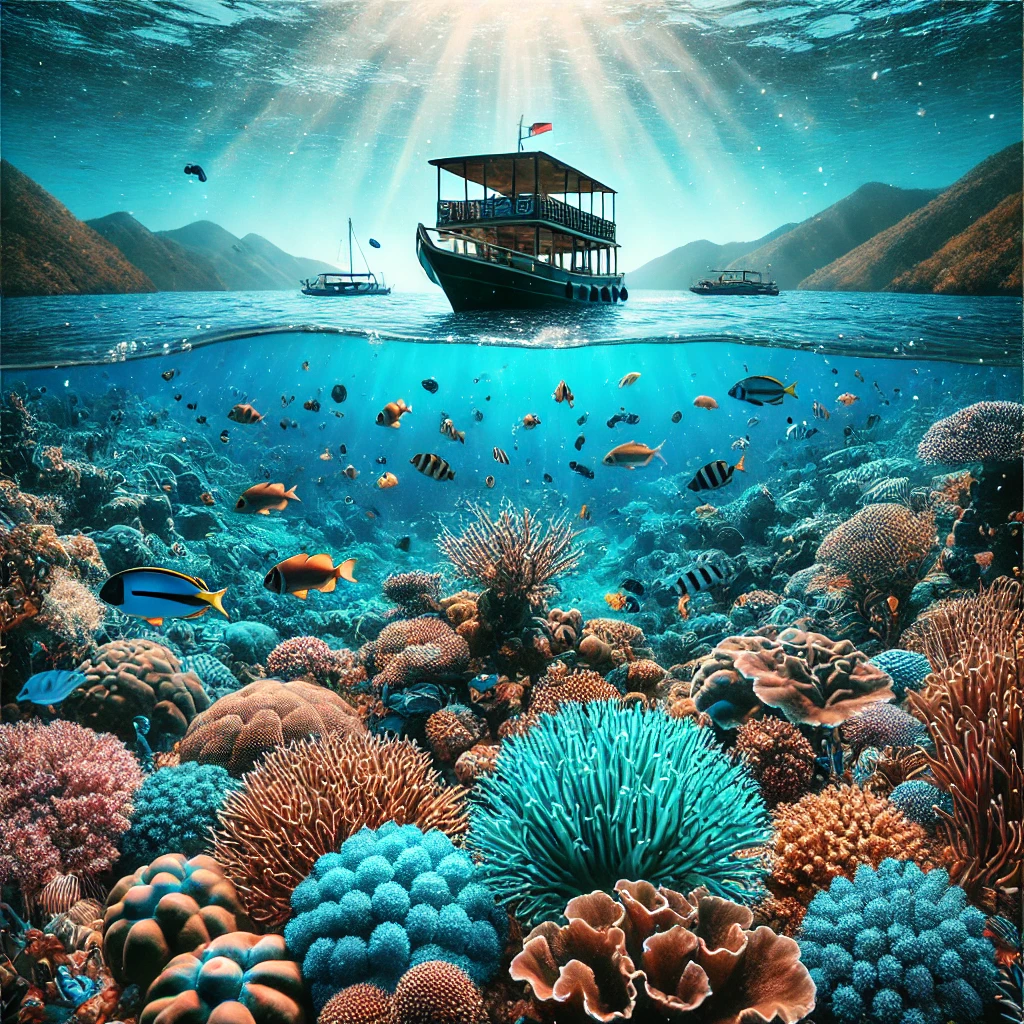
Tourism operators offer eco-friendly tours and educate guests about reef conservation. Many dive shops and tour companies now include briefings on responsible snorkeling and diving practices, such as avoiding touching coral and maintaining a safe distance from marine animals. Emphasis on sustainable tourism ensures visitors enjoy Komodo’s natural wonders without harming fragile ecosystems.
Challenges and Future Directions
Despite conservation successes, challenges remain in enforcing regulations and combating illegal activities in the vast marine area. Limited resources and personnel make consistent park region patrol difficult. Climate change threatens Komodo’s coral reefs, with rising sea temperatures increasing the risk of coral bleaching.
Looking ahead, the Indonesian government aims to strengthen its conservation policies by expanding MPA coverage and enhancing collaboration with international partners. Efforts to increase funding for conservation projects and improve surveillance technology are crucial for preserving Komodo’s marine biodiversity. Raising global awareness about the importance of protection is also essential.