
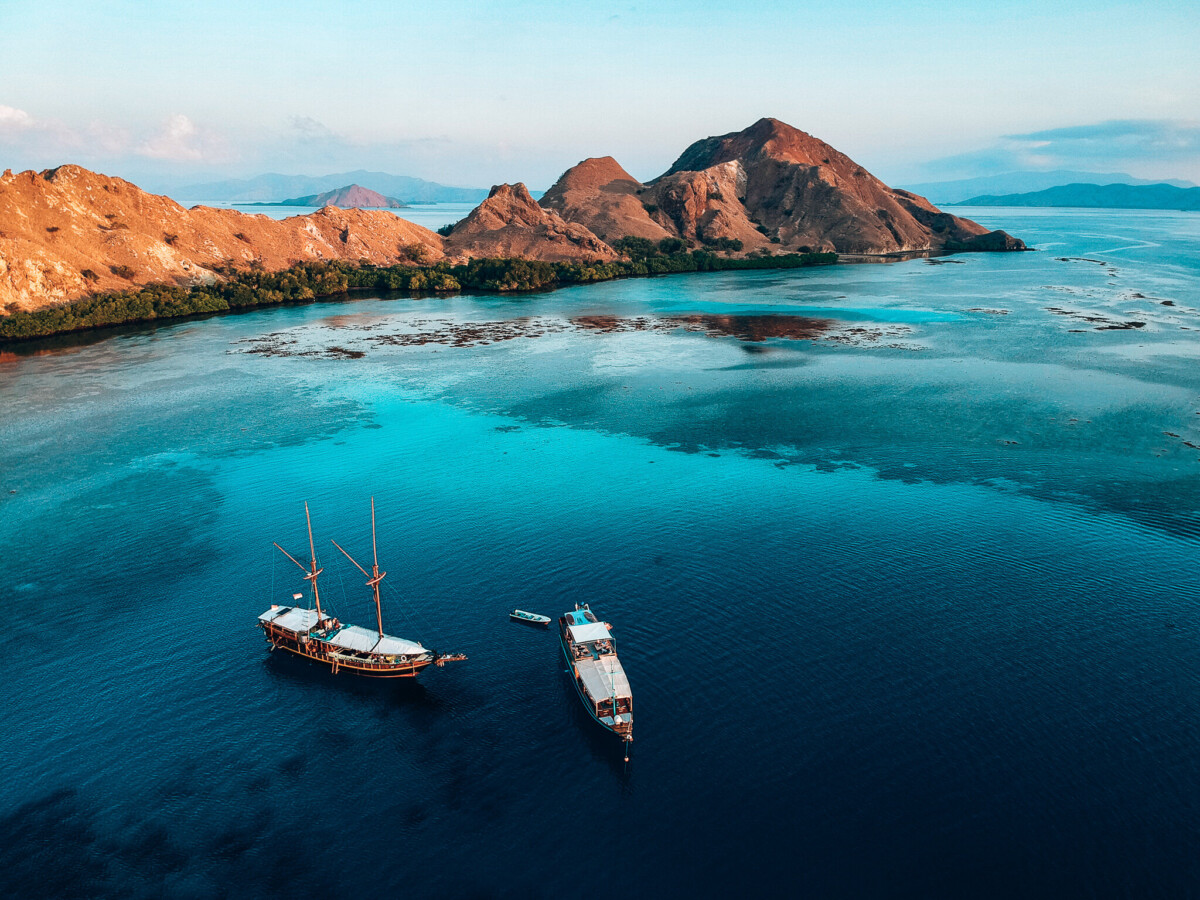
The breathtaking Komodo Island is a crown jewel of Indonesia’s tourism. It draws countless visitors eager to embark on a Komodo liveaboard experience, exploring the pristine waters and unique wildlife. However, the island and its surrounding areas face increasing threats from corporate activities, pressing local communities to raise concerns. The government is considering closing Komodo National Park for restoration while allowing corporate permits that could jeopardize conservation efforts. Explores the complexities of these issues, shedding light on the concerns of the residents and the government’s reaction.
Corporate Threats to Conservation
Komodo Island and its neighboring islands within Komodo National Park are among Indonesia’s most significant conservation areas. The park is a UNESCO World Heritage site and a critical habitat for the Komodo dragon, the world’s largest giant lizard. Despite protection, corporate activities, including tourism development, threaten the park’s conservation goals.
The local communities around Komodo Island are worried about corporate activities’ impact on their environment and livelihoods. They argue that the government permits these projects, including constructing luxury resorts and other tourism-related infrastructure, without adequately considering their long-term environmental impact.
The residents have questioned the government’s decision to grant permits to corporations that threaten the fragile ecosystem of Komodo National Park. They fear these developments could harm the natural habitat and behavior of the Komodo dragons and other wildlife.
Also read Komodo Island Under Threat: Exploring the Environmental Challenges.
Government’s Plan to Close Komodo National Park
Amid these concerns, the Indonesian government has proposed closing Komodo National Park to the public for an extended period. The goal is to allow the park’s ecosystems to recover from the pressures of tourism and other human activities. The timing and motivations behind the closure are being questioned, particularly in light of ongoing corporate activities in the area.
Residents and groups doubt the park closure’s effectiveness, especially with ongoing corporate projects. Environmentalists argue the government should focus on revoking or strictly regulating corporate permits rather than restricting responsible tourists.
Impact on Local Communities
The potential closure of Komodo National Park also raises concerns about the economic impact on local communities, many of whom rely on tourism for their livelihoods. The Komodo liveaboard industry is a significant source of income for the people of Labuan Bajo and the surrounding areas.
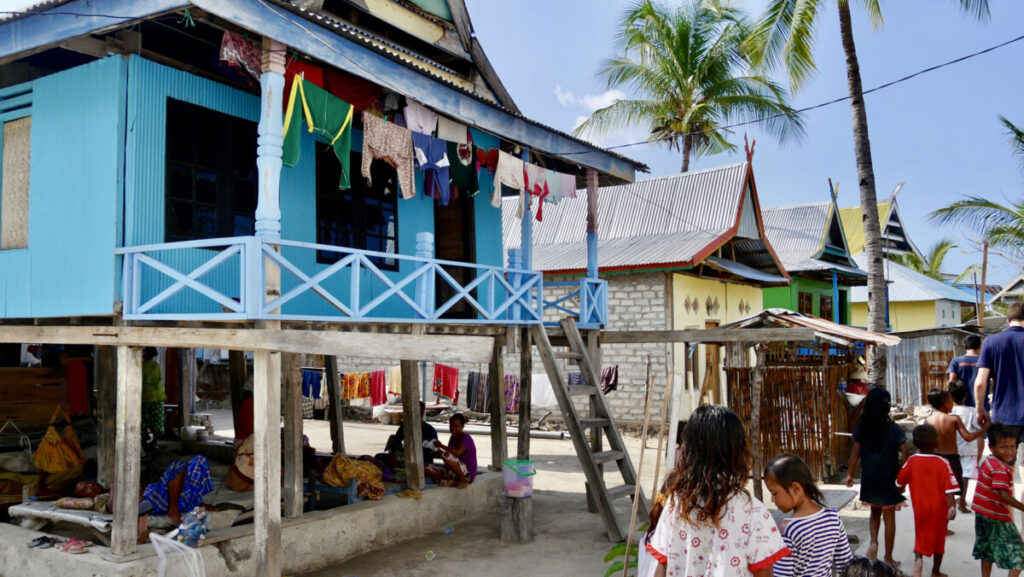
If the park is closed, many fear losing their primary source of income, as tourists may be deterred from visiting the region. This could have a ripple effect on the local economy, impacting boat operators, tour guides, restaurant owners, and artisans.
Local leaders have called for a more balanced approach, prioritizing conservation and the community’s well-being. They argue that rather than closing the park, the government should work with local stakeholders to develop sustainable tourism practices that protect the environment while allowing communities to continue benefiting from the influx of visitors.
Environmental Concerns and the Need for Sustainable Tourism
Environmentalists have long advocated for stricter regulations on tourism and development in Komodo National Park to protect its unique ecosystems. The park is home to the Komodo dragon and rich marine biodiversity, including some of the world’s most diverse coral reefs. These beautiful ecosystems are extraordinary but can be easily affected by changes. More and more people visiting and building things nearby, including Komodo Liveaboard operations, can be risky for the parks. To keep the wildlife safe and the landscapes beautiful, it’s super important to be mindful of how we visit. This means we should limit the number of visitors, ensure we handle our waste well, and only build things that won’t harm the environment. Environmental groups urge the government to enforce green practices more strictly and review corporate permits. Including those involved in Komodo Liveaboard operations, which could undermine conservation efforts.