
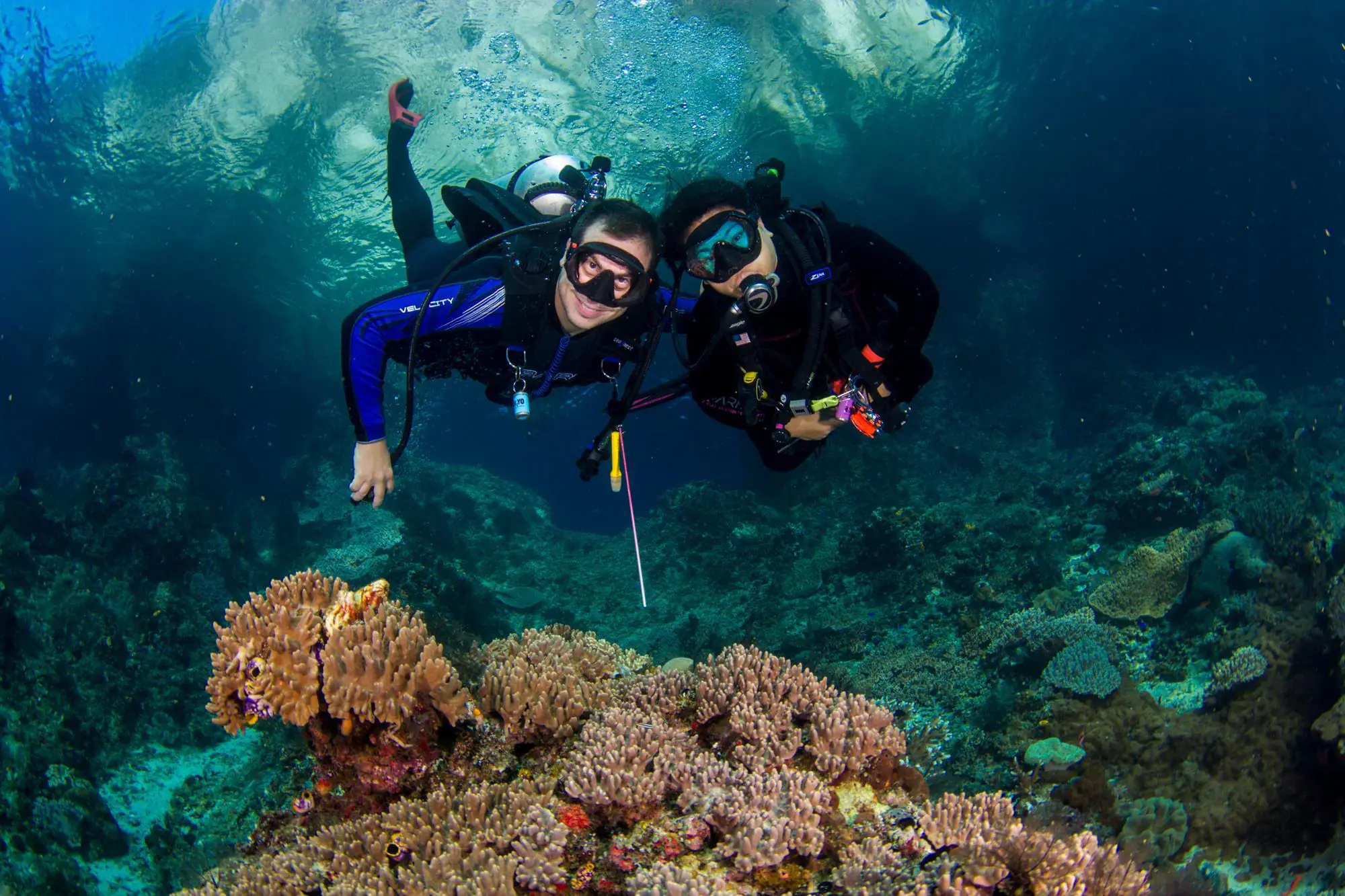
Embarking on a Raja Ampat diving liveaboard adventure is a dream for many scuba divers, offering access to some of the world’s most biodiverse marine environments in the heart of Indonesia’s Coral Triangle. Known for its crystal-clear waters, vibrant coral reefs, and over 1,500 fish species, Raja Ampat is a bucket-list destination that requires careful preparation, especially for first-timers. This beginner’s guide covers essential logistics, recommended gear, dive experience requirements, packing tips, and safety considerations to ensure your liveaboard trip is unforgettable.
Understanding the Logistics of Getting to Raja Ampat
Reaching Raja Ampat involves a multi-leg journey due to its remote location in West Papua, Indonesia. The primary gateway is Sorong’s Domine Eduard Osok Airport (SOQ), accessible via domestic flights from major Indonesian hubs like Jakarta, Bali (Denpasar), or Makassar. Airlines such as Garuda Indonesia and Batik Air offer regular flights. Booking in advance is crucial to secure reasonable fares, which can range from $200–$500 one-way from Jakarta. Expect at least one layover, and consider an overnight stop in Jakarta or Makassar to avoid fatigue before boarding your liveaboard.
From Sorong, most liveaboard operators provide transfers from the airport or nearby hotels, such as the Swiss Belhotel or Vega Hotel, to the Port of Sorong, where vessels depart. If your package doesn’t include transfers, taxis are readily available at the airport. Alternatively, some divers travel to Waisai via a 2-hour ferry from Sorong, though liveaboards typically embark directly from Sorong.
A mandatory Raja Ampat Marine Park entry fee, or PIN, is required for all visitors. As of 2025, the cost is approximately IDR 1,000,000 (~ USD 62) for international visitors and IDR 500,000 (~ USD 31) for Indonesian citizens, with children under 12 exempt. This fee supports conservation efforts and is valid for one year, so keep your PIN if you plan to return. Always carry cash in Indonesian Rupiah, as credit card facilities are limited in this remote region.
Also read Komodo Boat Trip: Discovering the Hidden Paradise of Pota in East Manggarai
Dive Experience Requirements for Raja Ampat
Raja Ampat’s dive sites, such as Cape Kri and Manta Ridge, are renowned for their biodiversity but can be challenging due to strong, unpredictable currents and remote locations. Most liveaboard operators recommend a minimum of 50 logged dives and an Advanced Open Water certification to ensure divers can handle sites with currents, downdrafts, or depths exceeding 18 meters. Some operators may accommodate beginners with extra supervision. Still, sites like Melissa’s Garden or Blue Magic are often reserved for experienced divers. Check with your chosen operator, such as La Galigo or Solitude Adventurer, for specific requirements before booking.
If you’re not yet at this level, consider taking a PADI Advanced Open Water course at a Raja Ampat dive resort, like Gangga Divers at Papua Paradise Eco Resort, before your liveaboard trip. This ensures you’re prepared for the region’s conditions and can fully enjoy the Raja Ampat diving liveaboard experience.
Recommended Gear for Liveaboard Diving
Packing the right gear is essential for comfort and safety. While liveaboards often provide rental equipment, bringing your own ensures a proper fit. Key items include:
- Dive Computer: A must for monitoring depth and no-decompression limits, especially during repetitive dives over multiple days. Never skip mandatory decompression stops indicated by your computer.
- Surface Marker Buoy (SMB) or Delayed Surface Marker Buoy (DSMB): Essential for signaling your position during open-water ascents in strong currents.
- Reef Hook: Useful for tethering in place during current-heavy dives, protecting both you and the delicate reefs.
- Wetsuit: A 3mm shortie or full wetsuit is sufficient for Raja Ampat’s warm waters (27–30°C year-round), offering protection against fire urchins, coral scrapes, and sunburn.
- Underwater Camera: Raja Ampat’s vibrant marine life, from pygmy seahorses to manta rays, is a photographer’s dream. A dedicated camera room is often available on liveaboards like Solitude Adventurer.
Other essentials include a mask, fins, a snorkel, and a dive torch for night dives. Pack spare batteries and memory cards for cameras, as these are hard to find in Sorong. If renting gear, confirm the availability of DIN or yoke tank fittings and check equipment quality, as subpar gear can compromise safety in remote areas.
Packing Tips for Your Liveaboard Trip
Space on liveaboards is limited, so pack light but bright. Bring quick-dry clothing, a lightweight rain jacket for the October–April dry season (or June–September wet season), and reef-safe sunscreen to protect the environment. Include malaria prophylaxis and basic medications, as pharmacies and hospitals are scarce in Raja Ampat. A reusable water bottle and dry bag are handy for shore excursions to places like Pianemo Island. Ensure your passport has at least six months’ validity, and carry a digital or physical copy of your dive certification.
Safety Considerations for Remote Diving
Raja Ampat’s remoteness demands a conservative approach to diving safety. Strong tidal currents and upwellings require experienced guides familiar with local conditions. Always dive with a buddy, follow your guide’s briefings, and use a dive computer to monitor ascent rates and safety stops to avoid decompression sickness (DCS). There are no hyperbaric chambers in Raja Ampat, and the nearest medical facilities are in Sorong or Manado, making emergency evacuations challenging. Arrange dive insurance through providers like Divers Alert Network for medical evacuation coverage.
For your final dive, plan a 24-hour surface interval before flying out of Sorong to minimize DCS risk. Most liveaboards schedule dives to end a day before disembarkation, allowing gear to dry and ensuring safe flight timing.
Final Tips for an Unforgettable Adventure
Book your Raja Ampat diving liveaboard during the October–April dry season for optimal visibility (up to 100 feet) and calmer seas, ideal for spotting megafauna like manta rays and whale sharks. Research operators thoroughly, checking reviews for safety records and guide expertise. Budget for additional costs like equipment rentals, alcohol, and tips (typically 5–10% of the trip cost). Finally, embrace the adventure. Raja Ampat’s pristine reefs and abundant marine life make the journey worthwhile.
By preparing thoughtfully, you’ll be ready to dive into the unparalleled beauty of Raja Ampat, creating memories that last a lifetime.