
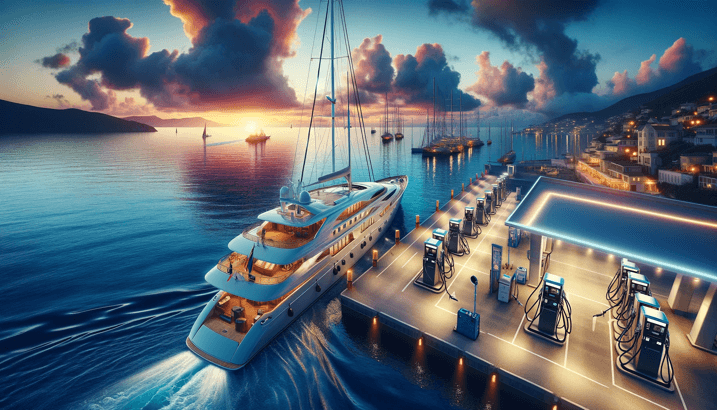
Luxury yachts, such as the Kudanil Explorer or Komodo yacht charters, are designed to deliver an unparalleled cruising experience, even in remote locations like Raja Ampat and the far reaches of Indonesia’s archipelago. However, navigating vast distances in isolated waters requires advanced fuel management techniques to ensure that the yacht can continue its journey without interruption. From ship-to-ship fuel transfers to tanker support vessels and cutting-edge fuel-monitoring technology, these systems work seamlessly together to keep luxury yachts operating efficiently and safely, even in the most isolated corners of the ocean.
Fueling Luxury Yachts on Extended Journeys
Luxury yachts are often equipped with large fuel tanks capable of holding enough fuel for extended voyages. Still, the unpredictable nature of long-distance cruising, particularly in remote areas, means that refueling logistics are a crucial part of any yacht’s journey.
In Komodo yacht charters, for example, yachts typically plan for refueling stops at strategic locations such as Padar Island, Raja Ampat, and Labuan Bajo. Still, sometimes the journey takes them far from ports or refueling stations. This is where alternative refueling methods come into play.
Ship-to-Ship Fuel Transfers
One of the most common refueling methods for yachts cruising in remote locations is ship-to-ship fuel transfers. This method involves a tanker vessel delivering fuel directly to a yacht while both boats are anchored or drifting in open water. Tankers, designed for this purpose, carry large amounts of fuel and can transfer it to yachts without requiring the yachts to dock.
For example, yachts like Kudanil Explorer—a renowned luxury yacht in Indonesia—are capable of receiving fuel from specialized tankers while cruising through the Komodo National Park or Raja Ampat. These transfers are a carefully coordinated process that requires expert timing and management to ensure the yacht is fully fueled without disrupting its voyage.
Tanker Support Vessels
In addition to ship-to-ship fuel transfers, tanker support vessels provide fuel to yachts on long journeys. These vessels are equipped with large fuel tanks and often accompany yachts on their voyages through isolated waters, ensuring that the yacht always has access to fuel when needed.
Luxury yachts such as Kudanil yacht charters often use tanker support vessels for more extended expeditions, particularly in places like Komodo and Raja Ampat. These support vessels serve as mobile refueling stations, offering peace of mind to yacht operators and owners, knowing that their vessels can continue to operate without worrying about fuel shortages, even in the most remote regions.
Advanced Technology for Fuel Monitoring
One of the most important innovations in managing fuel usage on luxury yachts is the integration of advanced technology to monitor fuel consumption in real time. Modern yachts are often equipped with fuel management systems that allow the crew to track fuel levels, consumption rates, and efficiency. These systems are designed to provide real-time data on fuel consumption, ensuring the yacht does not run out of fuel unexpectedly.
For example, a luxury yacht in Indonesia may have automated fuel-monitoring systems that send alerts to the crew when fuel levels are low or consumption is higher than expected. This allows the crew to adjust the yacht’s cruising speed or plan a refuelling stop if needed. In addition, these systems also track the environmental impact of the fuel usage, optimizing the yacht’s efficiency and reducing its carbon footprint.
Yacht Fuel Management in Remote Waters
For yachts cruising in areas like Raja Ampat yacht charter or other off-the-beaten-path destinations, fuel management becomes even more critical. These areas are often far from traditional fueling stations, so refueling must be planned ahead of time, and yachts must be prepared to handle more extended periods without access to shore facilities.
As part of the planning, luxury yachts like the Kudanil Explorer incorporate additional fuel storage and fuel-saving technologies that help extend their cruising range. These yachts are designed with fuel-efficient engines, and their crews are trained to use fuel more efficiently, adjusting the yacht’s speed, cruising patterns, and engine performance to reduce fuel consumption. In this way, even without constant access to refueling stations, the yacht can continue its journey with minimal disruption.
Conclusion
Managing fuel during extended yacht journeys is a critical aspect of cruising, particularly when exploring remote and isolated regions like Komodo and Raja Ampat. Luxury yachts, such as the Kudanil Explorer, rely on advanced refueling methods like ship-to-ship transfers, tanker support vessels, and cutting-edge fuel monitoring technology to ensure smooth and uninterrupted journeys. These strategies allow yacht owners and operators to explore some of the most beautiful and untouched parts of the world while maintaining efficiency and safety throughout their voyages.