
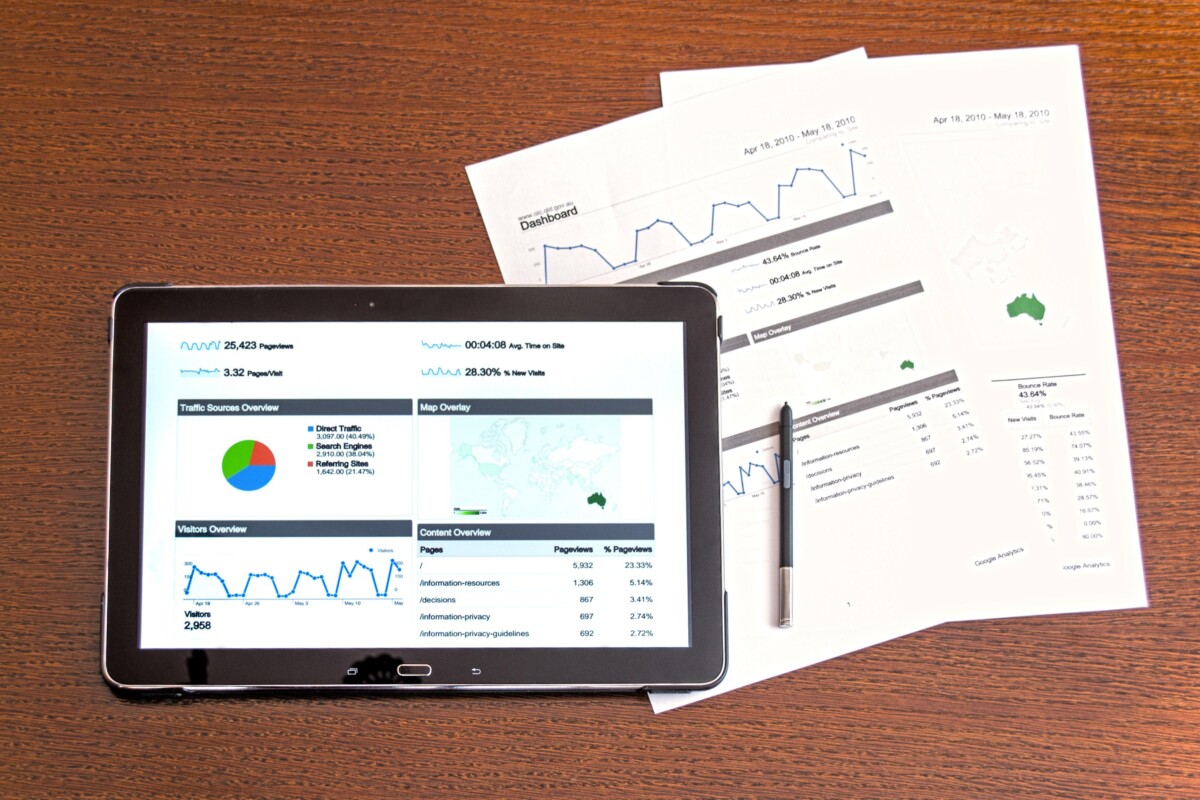
Modern marketing generates more data than ever before. Businesses can track website visitors, advertising performance, customer interactions, conversion rates, and countless other metrics. Despite having access to this information, many organizations still make marketing decisions based on assumptions rather than evidence. Businesses looking to strengthen their digital marketing capabilities often explore resources available through https://www.kesato.com/ to better understand how strategy, analytics, and execution work together to improve performance.
As someone who works closely with digital marketing trends, I have noticed a clear pattern among successful businesses. The organizations that consistently grow are rarely the ones spending the most money. Instead, they are often the ones making better decisions because they understand their data and use it effectively.
Data driven marketing allows businesses to move beyond guesswork. Rather than relying on opinions or assumptions, companies can make informed decisions based on actual customer behavior and measurable results. This approach not only improves marketing performance but also creates a stronger foundation for long term growth.
What Is Data Driven Marketing?
Data driven marketing is the practice of using information and analytics to guide marketing decisions. Instead of relying solely on intuition, businesses collect and analyze data to understand what is working, what is underperforming, and where opportunities exist.
This data can come from multiple sources, including website analytics, advertising platforms, customer relationship management systems, email marketing tools, and social media channels. When these insights are combined, businesses gain a much clearer understanding of how customers interact with their brand throughout the buying process.
The goal of data driven marketing is not simply to collect information. The goal is to transform that information into actionable insights that improve marketing effectiveness and business outcomes.
Why Traditional Marketing Assumptions Create Problems
For many years, marketing decisions were often based on experience, opinions, and assumptions. While experience remains valuable, assumptions can become dangerous when they are not supported by evidence.
A business might assume that its customers prefer a specific social media platform. Another company might believe that a particular advertising campaign is successful simply because it generates a large amount of traffic. However, traffic alone does not necessarily translate into leads, customers, or revenue.
Without reliable data, businesses can easily invest resources into activities that deliver limited value. This often results in wasted budgets, missed opportunities, and slower growth.
Data driven marketing reduces uncertainty by providing objective information that supports better decision making.
Understanding Customer Behavior Through Data
One of the greatest advantages of data driven marketing is the ability to understand customer behavior more accurately.
Every interaction customers have with a business creates valuable information. Website visits, content engagement, email clicks, search activity, and conversion actions all reveal important insights about customer interests and intentions.
For example, businesses may discover that visitors who read multiple educational articles are significantly more likely to submit inquiries. They may also identify specific pages where users frequently leave the website before converting.
These insights help marketers understand what customers need and how they move through the buying process. As a result, businesses can create more relevant experiences that improve engagement and conversion rates.
Why Conversion Tracking Matters
Many businesses focus heavily on traffic metrics while paying less attention to conversion tracking.
Traffic can be useful, but it only tells part of the story. The real value comes from understanding what visitors do after they arrive.
Conversion tracking helps businesses measure actions such as:
- Contact form submissions
- Consultation requests
- Purchases
- Email subscriptions
- Resource downloads
By tracking these actions, organizations gain a clearer understanding of which marketing activities contribute directly to business objectives.
Companies such as Kesato often emphasize performance measurement because accurate tracking provides the foundation for continuous optimization. When businesses understand which channels generate meaningful results, they can allocate resources more effectively and improve overall marketing efficiency.
Improving Marketing Efficiency
One of the most immediate benefits of data driven marketing is improved efficiency.
Marketing budgets are rarely unlimited. Every investment should contribute toward specific business goals. Data helps businesses identify which activities deserve additional resources and which initiatives require adjustment.
For example, if one advertising campaign consistently generates qualified leads at a lower cost than another campaign, businesses can shift budgets accordingly. Similarly, if certain content topics generate stronger engagement, future content strategies can be adjusted to capitalize on those interests.
This ability to optimize based on performance often leads to better results without increasing overall marketing spend.
The Importance of Attribution
The modern customer journey is rarely simple.
Customers often interact with multiple channels before making a purchasing decision. They may discover a business through organic search, return through social media, engage with email campaigns, and eventually convert through a paid advertisement.
Attribution helps businesses understand how these channels work together.
Without attribution, organizations may incorrectly assign all credit to the final interaction while ignoring earlier touchpoints that influenced the customer’s decision. This can lead to inaccurate reporting and poor strategic decisions.
Data driven marketing helps create a more complete view of the customer journey, allowing businesses to understand the true impact of their marketing efforts.
Why Personalization Depends on Data
Modern customers expect relevant experiences.
Generic marketing messages are becoming less effective because consumers are exposed to enormous amounts of content every day. Businesses that personalize communication often achieve stronger engagement and better conversion rates.
Personalization relies heavily on data.
Customer behavior, interests, demographics, and previous interactions all help businesses deliver more relevant content and offers. Whether through email marketing, website experiences, or advertising campaigns, personalization allows organizations to communicate more effectively with their audience.
The more businesses understand their customers, the more relevant their marketing becomes.
Supporting Long Term Growth
One of the most valuable aspects of data driven marketing is its ability to support sustainable growth.
Short term campaigns may generate immediate results, but long term success requires continuous improvement. Data provides the feedback needed to refine strategies, improve performance, and adapt to changing market conditions.
Businesses that regularly analyze performance data are better positioned to identify emerging trends, understand customer preferences, and respond to competitive challenges.
This ongoing optimization creates a cycle of improvement that strengthens marketing effectiveness over time.
Organizations that embrace data driven decision making often build stronger foundations for future growth because they are constantly learning and adapting.
Why Businesses Seek Expert Guidance
While access to data has become easier, interpreting that data remains a challenge for many organizations.
Businesses must understand analytics platforms, conversion tracking systems, attribution models, customer behavior, and performance reporting. Without the right expertise, valuable insights can easily be overlooked.
This is one reason companies work with experienced digital marketing teams such as Kesato. By combining strategic thinking with performance analysis, businesses can better understand their marketing activities and make more informed decisions.
Access to expert guidance often accelerates learning and helps organizations avoid costly mistakes while improving overall marketing performance.
Conclusion
Data driven marketing has become one of the most effective approaches available to modern businesses. By replacing assumptions with evidence, organizations can make smarter decisions, improve efficiency, and create more meaningful customer experiences.
From understanding customer behavior and improving conversion tracking to optimizing budgets and personalizing communication, data plays a critical role in every stage of the marketing process. Businesses that embrace data driven strategies are often better equipped to adapt, compete, and grow in an increasingly digital environment.
As competition continues to increase across industries, the ability to collect, analyze, and act on data will become even more important. Organizations that prioritize data driven marketing today will be better positioned to achieve sustainable success tomorrow.