
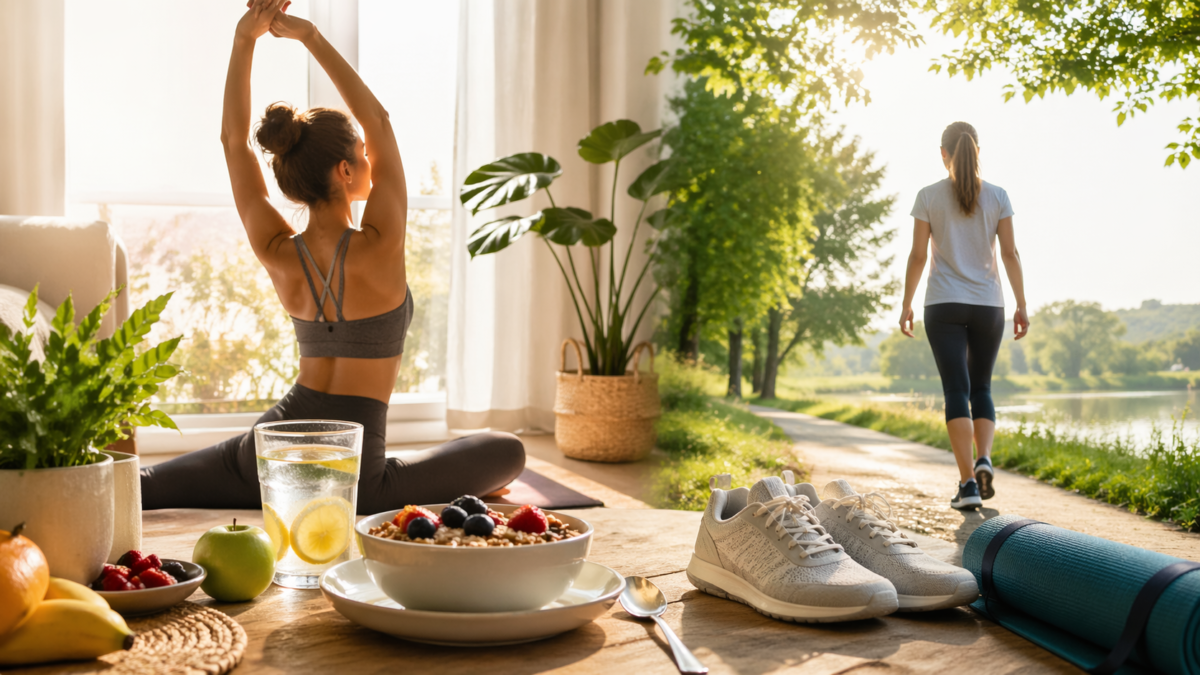
Building healthy lifestyle habits does not have to mean changing your entire life overnight. In reality, the most lasting improvements often come from small, repeatable choices that slowly shape the way you feel each day. A healthier lifestyle is not only about looking fit or following a strict routine. It is about having more energy, better focus, steadier moods, and a stronger sense of balance in everyday life.
Why a Healthy Lifestyle Should Feel Realistic
One of the biggest reasons people give up on wellness goals is that they try to do too much at once. They promise themselves an intense fitness plan, a perfect diet, early mornings, more water, less stress, and better sleep, all in the same week. It sounds motivating at first, but it quickly becomes exhausting.
A healthy routine works best when it fits real life. That means finding habits you can actually maintain even on busy days. You do not need a flawless schedule to make progress. You need a rhythm that feels manageable. Walking more, sleeping earlier, eating more balanced meals, and taking short breaks from screens can make a real difference over time.
Start With Sleep, Not Perfection
People often focus first on exercise or food, but sleep is one of the strongest foundations of overall well-being. When sleep is poor, everything else becomes harder. It is harder to stay patient, harder to make good food choices, and harder to feel motivated enough to move.
A better sleep routine does not always require dramatic changes. Sometimes it begins with simple choices like lowering screen time before bed, keeping your room cooler, or going to sleep at a more consistent hour. Quality rest supports memory, mood, recovery, and immune health, which is why it should never be treated as optional.
If you want more sustainable, healthy lifestyle habits, start by protecting the hours that help your body and mind reset.
Food Should Support Your Life, Not Control It
Healthy eating is often misunderstood as restriction, but a better way to look at it is support. Food should help you think clearly, move well, and stay satisfied. That usually means focusing on balance instead of extremes.
Meals built around vegetables, proteins, fibre, healthy fats, and enough hydration tend to create steadier energy than heavily processed foods eaten without structure. That does not mean you need to avoid every indulgence. It means your everyday pattern should mostly help you feel good.
It also helps stop the chase for perfect diets. Most people do better when they make practical improvements they can keep. Cooking a little more often, keeping healthy snacks nearby, or adding fruit and vegetables more consistently is often more effective than trying to follow rigid rules.
Movement Matters More Than Intensity
A healthy life is not reserved for people who love the gym. Movement can take many forms, and it does not need to be extreme to be valuable. Walking, stretching, swimming, cycling, yoga, dancing, and even active chores all contribute to physical health.
The key is consistency. Moving your body regularly helps improve circulation, mobility, mood, and endurance. It also creates mental benefits that people often underestimate. A short walk can reset your focus. Light exercise can ease stress. Gentle stretching can improve how your body feels after long hours of sitting.
This is why healthy lifestyle habits are often less about intensity and more about frequency. A realistic routine done often will usually have more impact than a perfect routine done only occasionally.
Mental Health Is Part of Health
A healthy lifestyle is not complete if it ignores emotional well-being. Stress, pressure, and overstimulation are part of modern life, which is why recovery matters just as much as productivity. Taking care of your mind is not a luxury. It is part of staying functional and resilient.
Simple practices can help. Journalling, limiting constant notifications, spending time outdoors, talking with trusted people, or taking quiet breaks during the day all support mental balance. You do not always need a dramatic reset. Sometimes you just need more breathing room in your routine.
Learning when to slow down is also a sign of strength. A healthier lifestyle should make life feel more supported, not more pressured.
Small Habits Shape Bigger Results
Many people underestimate how much small actions matter. Drinking more water, standing up more often, planning meals ahead, walking after dinner, sleeping a little earlier, or starting the day without immediately reaching for your phone may seem minor, but these choices build momentum.
Over time, small routines become identity. You stop feeling like someone who is trying to be healthier and start becoming someone who naturally lives that way. That shift matters because lasting wellness is usually built through repetition, not motivation alone.
The best healthy lifestyle habits are the ones that continue even when life gets busy. They are simple enough to repeat and meaningful enough to improve how you feel.
Focus on Progress You Can Feel
It is easy to measure health solely by appearance, but many of the most valuable outcomes are less visible. Better sleep, improved concentration, calmer moods, fewer energy crashes, stronger digestion, and more stable routines are all signs of progress.
When you focus only on dramatic results, healthy living can feel frustrating. When you pay attention to how your body and mind respond, the process becomes more rewarding. Health is not just about changing how you look. It is about improving how you live.
In the end, the goal is not to create a perfect lifestyle. It is to create one that supports you. When your habits help you feel more balanced, more energised, and more in control of your day, they stop being rules and start becoming part of a better life.