
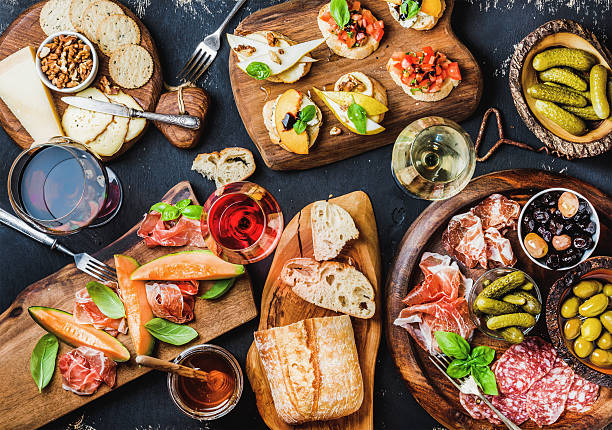
French cuisine is loved worldwide for its elegance, skill, and impact. Over centuries, it has evolved from rustic fare to haute cuisine, setting the benchmark for global culinary excellence. But how did French cuisine ascend to such heights, becoming the gold standard of global cooking? Explores the historical, cultural, and social factors contributing to French cuisine’s dominance in the culinary world.
The Roots of French Cuisine
Did you know that French cuisine has its roots in the Middle Ages and was heavily influenced by Italian culinary traditions, especially during the Renaissance? When Catherine de Medici of Italy married King Henry II of France in the 16th century, Italian chefs, ingredients, and cooking techniques made their way to the French court, paving the way for what we now know as the unique and delicious French cooking style.
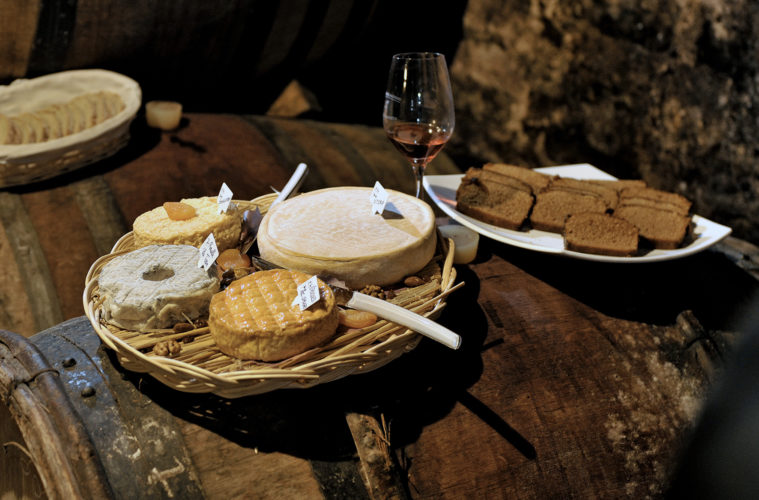
French cuisine emphasized fresh ingredients, meticulous preparation, and elaborate presentation during this period. The influence of the royal court played a significant role in this evolution, as the French aristocracy demanded meals that were as much a feast for the eyes as they were for the palate. This focus on aesthetics, along with the refinement of techniques, set the stage for the culinary developments that would follow.
The Birth of Haute Cuisine
The 17th century saw the birth of haute cuisine, known for its elaborate preparations and focus on fine dining. This period saw the rise of François Pierre La Varenne, a chef who published one of the first French cookbooks, Le Cuisinier François, in 1651. His work codified many techniques and recipes that are still foundational in French cooking today, such as using stocks, reductions, and roux-based sauces.
Haute cuisine flourished under the reign of Louis XIV, who made Versailles the center of French culinary innovation. The king’s lavish banquets and the demand for elaborate dishes among the nobility further propelled the development of French cuisine. During this time, French chefs began to gain recognition for their skill and creativity, and France started to emerge as a leader in the culinary arts.
The Influence of French Culinary Schools
In the 19th century, professional culinary schools started popping up in France, solidifying the country’s reputation as the center of global cooking. The father of modern French cuisine, Auguste Escoffier, was a big deal during this time. He modernized French cooking with the brigade system in professional kitchens, assigning specific roles to the staff. This system became a standard practice in kitchens all over the world.
Escoffier’s book Le Guide Culinaire became a seminal text for chefs and is still considered a cornerstone of culinary education. The establishment of prestigious culinary schools, such as Le Cordon Bleu in Paris, provided formal training for chefs and spread French culinary techniques across the globe. Aspiring chefs worldwide flocked to these institutions to learn the art of French cooking, further disseminating French culinary practices internationally.
French Cuisine and Global Influence
As French cuisine continued to evolve, its influence spread far beyond the borders of France. The French colonial empire played a significant role in this global dissemination. Introducing French cooking techniques and ingredients to its African, Asian, and Caribbean colonies. French cuisine’s adaptability and technique have influenced local cuisines, creating hybrid culinary traditions that are still evident today.
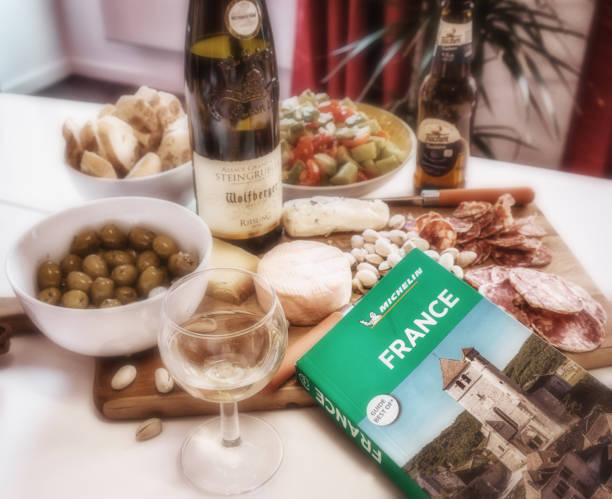
In the 20th century, French cuisine reached new heights of international recognition. The Michelin Guide, established in 1900, began awarding stars to French restaurants, further solidifying France’s reputation for culinary excellence. Chefs such as Paul Bocuse, known for his role in the nouvelle cuisine movement, pushed the boundaries of French cooking. Emphasizing lighter, fresher ingredients and more straightforward presentations while maintaining the rigor and precision that French cuisine was known for.
French cuisine is loved by many because of its association with luxury and refinement, making it a standard for chefs and food enthusiasts worldwide. Whether in a fancy restaurant in New York or Tokyo or in the kitchen of someone learning to cook. People continue to admire and recreate French culinary techniques and philosophies.
The Legacy of French Cuisine Today
French cuisine is still a big deal in the food world. Chefs and food lovers everywhere are inspired by its focus on top-notch ingredients, precise cooking methods, and beautiful presentation. French cooking has key principles, like nailing those sauces, mastering pastry, and creating stunning plates – all must-knows for any chef.
And it’s not just for the pros—French treats like pastries, wine, cheese, and bread are loved worldwide. Many of us use French cooking terms like “sous-vide” and “mise en place” in our kitchens, showing how much French food traditions matter to everyday cooking.